
The National Center for Education Statistics has the most recent information for how many public schools
Continue reading →
The National Center for Education Statistics has the most recent information for how many public schools
Continue reading →
America has a lot of people. With that comes the obligation of educating millions of children.
Continue reading →

Photo courtesy of http://www.nwitimes.com
Two widely followed annual lists of the top national and regional colleges are out and Indiana State University is once again included in both.
Forbes magazine has recognized Indiana State on its annual list of America’s Top Colleges for the fifth year in a row while Princeton Review’s list of Best Midwestern Colleges recognized Indiana State for the 12 straight year.
Only about 20 percent of the nation’s accredited colleges and universities make the Forbes list, which emphasizes the return students and parents receive from their investment in a college degree, while the Princeton Review bases its list largely on student surveys.
Read the rest here via Indiana State press release.

Numerous times I’ve heard people state America spends more on prisons than schools. Pretty damning

Photo via Carpe Diem Blog
I took a look at some Walmart store expansion numbers to see where the company is expanding. This is current data from February 2015.
First lets go overseas where they are ramping up in South Africa

The current U.S. data is where I found the college campus expansion numbers.
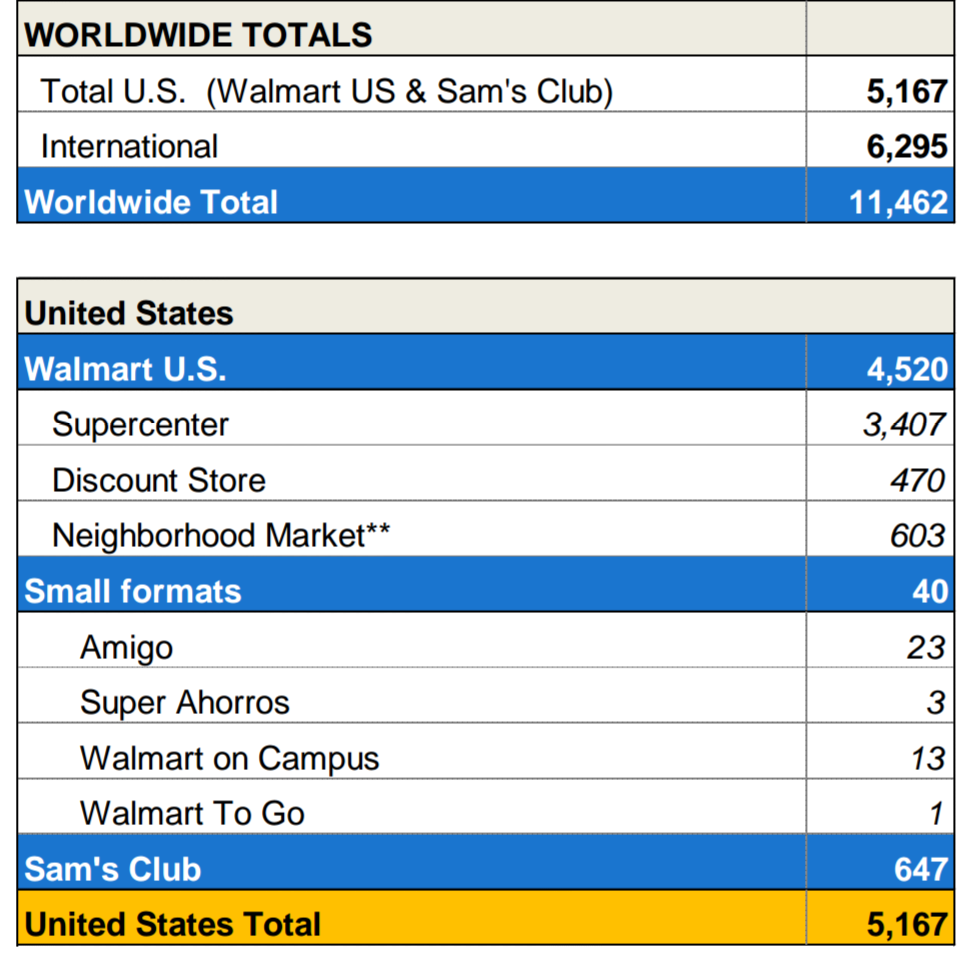
Here is more about the recent growth on college campuses via INSIDE Higher Ed –
In January 2011, Walmart opened its first location on a university campus at the University of Arkansas at Fayetteville, a half-hour drive from its corporate headquarters. Now, Walmart has announced that it will be opening a second campus location, at Arizona State University, with luck by May, according to Delia Garcia, a Walmart spokeswoman. A third location, at Georgia Tech, is slated to open at a to-be-determined time next year. “Walmart on campus is an opportunity to bring low prices to students, reach new customers and serve our on-campus customers in a convenient way,” Garcia said in an interview.

Recent data compiled is showing college textbooks are rising at a double digit rate. The National Association of College Stores has price comparisons on new textbooks college students buy.
Here are some other stats concerning college students and textbooks
Average college bookstore profit margin for a new book
21.1%
Percent of students who buy their books at their college bookstore
47%
Percent of students who say they have skipped buying a textbook because it was too expensive
65%

Here is the most recent data by the state of Indiana showing children receiving school vouchers-
This school year, 29,148 students received vouchers, or 2.6 percent of the total state student population, according to the Choice Scholarship program’s annual report released in February. IDOE paid those private and Christian schools nearly $116 million in the 2014-15 school year.


Via Wall Street Journal
If you ever debate public education with people you will sometimes hear the phrase “student-to-teacher” ratio as a source of need for more funding or for better teaching. JustFactsDaily.com released an e-mail with this question and the result may surprise you.
In 2010, according to the U.S. Department of Education, the average student-to-teacher ratio in public schools during 2010 was 16:1.
The National Center for Education Statistics also has information on student to teacher ratio in education.
During the 1970s and early 1980s, public school enrollment decreased, while the number of teachers generally increased. For public schools, the number of pupils per teacher—that is, the pupil/teacher ratio—declined from 22.3 in 1970 to 17.9 in 1985. After enrollment started increasing in 1985, the public school pupil/teacher ratio continued to decline, reaching 17.2 in 1989. After a period of relative stability during the late 1980s through the mid-1990s, the ratio declined from 17.3 in 1995 to 15.4 in 2009. The public school pupil/teacher ratio increased to 16.0 in 2010. By comparison, the pupil/teacher ratio for private schools was estimated at 12.2 in 2010. The average class size in 2007–08 was 20.0 pupils for public elementary schools and 23.4 pupils for public secondary schools.
 Hoosier Econ