Ten Most Dangerous Jobs for Men

image

Medicaid Will Eat Up State Budgets in Near Future

image

Obamacare for all intensive purposes is a gateway to universal healthcare via medicaid. When the ACA passed in 2010 it set up a medicaid program where the feds matched dollar for dollar states medicaid expansion. Here is a detailed explanation from the Chicago Tribune of an example in Illinois where estimated costs have ballooned from $500 Million to $2 Billion:

    Starting in 2017, Illinois and other states that also expanded their programs are required to start paying a small portion of the bill, rising to no more than 10 percent of the total tab. State health officials estimated in 2012 that Illinois’ portion of the expansion would cost $573 million from 2017 through 2020.

    Original projections anticipated that 199,000 residents would sign up in 2014, potentially rising to no more than 342,000. State officials estimated a monthly, per person cost of $454, and revised that number upward to $882 in the document sent to in June to federal officials.

    But through December, 540,877 joined Medicaid’s ranks. State officials said thousands more likely signed up through January.

Nationally, medicaid has exploded via Obamacare (9.7 million new enrollees) which means long term federal costs for ALL taxpayers.

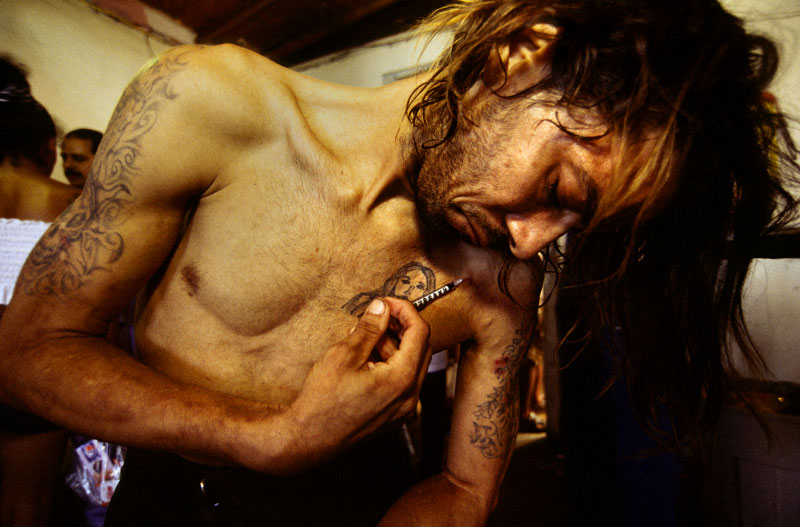
The Financial Costs of Hoosiers Overdosing on Heroin

heroin-addiction
Heroin is clobbering the state of Indiana and it comes with an enormous financial cost. Law enforcement, imprisonment, children removed from homes and other costs are all there for many to dissect. The DEA recently put out an alert of a possible explanation of why people are overdosing on heroin.

    The United States Drug Enforcement Administration (DEA) today issued a nationwide alert about the dangers of fentanyl and fentanyl analogues/compounds. Fentanyl is commonly laced in heroin, causing significant problems across the country, particularly as heroin abuse has increased.

    In the last two years, DEA has seen a significant resurgence in fentanyl-related seizures. According to the National Forensic Laboratory Information System (NFLIS), state and local labs reported 3,344 fentanyl submissions in 2014, up from 942 in 2013. In addition, DEA has identified 15 other fentanyl-related compounds.

    Fentanyl is a Schedule II narcotic used as an analgesic and anesthetic. It is the most potent opioid available for use in medical treatment – 50 to 100 times more potent than morphine and 30 to 50 times more potent than heroin. Fentanyl is potentially lethal, even at very low levels. Ingestion of small doses as small as 0.25 mg can be fatal. Its euphoric effects are indistinguishable from morphine or heroin.


Costs associated with saving an overdosing addict are skyrocketing as well. More municipalities are wanting police to carry heroin antidotes since they are usually first to encounter a person overdosing. Foxnews.com had a post about the antidote naloxone.

    Naloxone reverses the effects of opioids – drugs derived from opium, including heroin – on brain receptors. But a price increase late last year means that instead of buying 400 naloxone kits for a little under $21,000 – at $51.50 per kit paid to a third-party distribution company – that’s now enough for only 200, at just under $100 per kit, a negotiated discount that’s $5 cheaper than what he was quoted.

NCAA & TV Ad Revenue from March Madness

march madness

The NCAA Basketball Tournament kicks off in a few days. As America tunes in to watch the games the NCAA will watch their bank coffers fill up. How much does the NCAA make each year during tournament time. According to Andrew Zimbalist, an economics professor at Smith College, hundreds of millions:

    “The institution itself that’s based in Indianapolis, makes money primarily through television rights to the March Madness basketball tournament. They get somewhere in the neighborhood of $770 million dollars a year. That constitutes around 90% of all of the revenue that goes to the NCAA,”


Television stations are more then willing to pay that type of money to the NCAA for rights to air the games. Here is their ad revenue from 2013:

    Over the past decade (2004-2013), the NCAA men’s basketball tournament has triggered more than $6.88 billion of national TV ad spending from 269 different marketers. Ad revenue in 2013 was $1.15 billion, up 3.8 percent from the prior year.

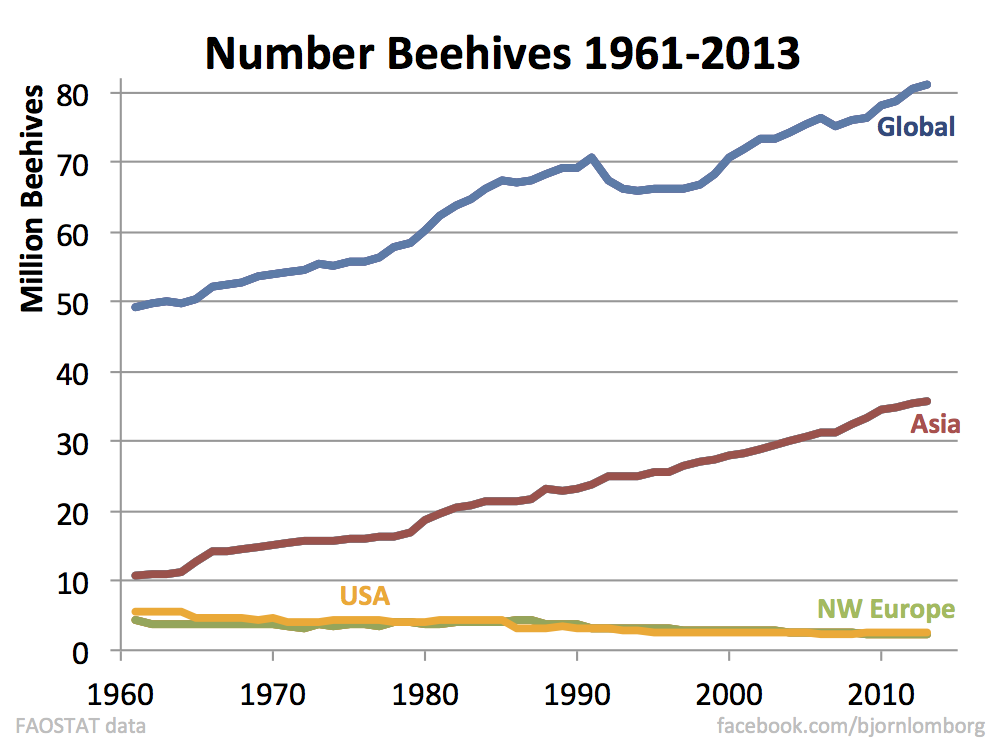
Bee Hives Are Not Dying Globally

image

You can read the rest via Bjorn Lomborg Facebook page.

Number of Indiana Children Receiving School Vouchers

school

Here is the most recent data by the state of Indiana showing children receiving school vouchers-

This school year, 29,148 students received vouchers, or 2.6 percent of the total state student population, according to the Choice Scholarship program’s annual report released in February. IDOE paid those private and Christian schools nearly $116 million in the 2014-15 school year.

2015 NFL Free Agency: $1.5 Billion in Contracts Signed by Players

suh dolphins
NFL free agency kicked off on Tuesday March 10th. Numerous players either stayed or left their teams in pursuit of greener pastures. How much in contracts were signed this past week? Sportrac.com has a system set up tracking these numbers and here is the breakdown from studying the signings.

– Over 100 free agents signed

– Average length of contracts is 3 years

– Total amount of all contracts signed (disclosed/undisclosed) tops over $1.5 Billion

– Total amount of guaranteed money NFL teams must pay is $634 Million. The top five contracts account for $170.9 Million of that.

NFL contracts almost never get fully paid out. Each year these contracts are reworked, players cut, retirement or clauses are invoked terminating the amounts paid. Guaranteed money is paid out in full barring any contract clauses not met.

States Tax Revenue Still Down

Cancel out the noise of propagandist who continually say the economy is booming and follow the data. Wall Street Journal shows compelling data of states tax revenue is in bad shape as spending increases. Here is what the Wall Street Journal found:

There are 30 states still collecting less in taxes, adjusted for inflation, than when the recession hit, according to a Pew Charitable Trusts study that examined the data through September. Income-tax collections grew on a real basis by 7.1% since late 2008, while sales-tax receipts rose by 1%, according to an analysis by Nelson A. Rockefeller Institute of Government at the State University of New York.

state tax revenue
Government employment is actually down on the state level. Most of the attrition is probably attributed to from an aging workforce i.e. retirement:

State and local governments are employing 620,000 fewer people than they did six years ago. New municipal-bond sales stand at a more-than-15-year low as states remain hesitant to start public works and other capital projects.

If anyone tells you all you have to do is magically raise taxes and all ills are solved, they are terribly wrong.

Coming out of the recession, several states raised sales-tax rates to make up for deep revenue drops. In Arizona, a sales-tax increase was only temporary, meant to serve as a three-year bridge until collections returned. Still, total tax revenues as of the third quarter of last year remained 10% below their prerecession levels on an inflation-adjusted basis, according to the Pew analysis.

You can read the rest of the Wall Street Journal article here.

How Americans Will Spend Their Tax Refund

tax refund

American Morning News interviewed Kay Bell from BankRate.com explaining a survey they with 1,003 adults and how they will spend their tax refund. USA Today posted the survey and here is how it broke down:

34% say they’ll use it to pay down debt

33% say they’ll save or invest the money

26% say they spend the extra cash on necessities such as food and utility bills

3% want to use it to live it up and go on vacation or a shopping spree

Here is another snapshot of Americans thinking on income taxes/tax refunds that would make Dave Ramsey shake his head at:

Some people view having extra money withheld from their paychecks for income tax as a way to save, says Bankrate.com tax analyst Kay Bell. But she advises against it because “the bank of Uncle Sam” pays no interest.

The rest of the article is here and has some more good stats obtained by the survey.

U.S. Farmers Are Exceptional

image

Kokomo Tribune writer Josh Sigler provided a good investment piece about why farming is an excellent investment. I blog about farmers and farming because the lack of respect towards the industry by people is simply naive. Here’s a snippet of the article that should give the world pause in how exceptional farmers in the United States are:

In 1928, the world’s population was 1.2 billion people. The United States made up 10 percent of that population, and at the same time, provided 10 percent of the world’s agricultural output.

By 1968, the world’s population had ballooned to 3.5 billion. The U.S. made up 6 percent of the world’s population, but increased its agricultural output, providing 20 percent of the world’s crops, doubling the output in 40 years.

Those numbers continued along the same path, and by 2012, the world’s population rose to over 7 billion. The U.S. now makes up 3 percent of the world’s population, but in modern times, produces 30 percent of the world’s agricultural output.

The world has a long way to go in catching up to the United States.

H/T Indiana Economic Digest