Price of Cell Phone in 1987

image

Employment Opportunity: Checking Poop

doctor glove
Via Washington Times –

The federal government is looking for doctors to help monitor suspected smugglers’ bowel movements at John F. Kennedy International Airport in New York, in a solicitation that sounds like it could be something out of the Discovery Channel’s “Dirty Jobs” program.

Doctors must be available round-the-clock in case CBP officers suspect they have a “swallower,” which is what internal drug smugglers are known as. The doctors are charged with X-raying or otherwise examining suspects’ body cavities, and if drugs are found, the work order says “the detainee may be held for a monitored bowel movement (MBM) to wait the passage of the contraband material.”

“CBP regularly intercepts individuals who ingest wrapped packets of illicit drugs such as cocaine, heroin, amphetamines, ecstasy, marijuana or hashish to transport them,” the agency said. “CBP officers apply their keen knowledge, expertise and intelligence to detect and intercept suspected body cavity concealers at our nation’s ports of entry.”

CBP identified 176 “body cavity concealment incidents” in 2014, which was down from 187 the previous year.


You can read the rest here.

Lots of Erections at the Pentagon

smiling bob

The unfortunate part of government spending is taxpayers don’t get to know what is being spent until it gets spent. CBS News uncovered some “dysfunctional” spending from the pentagon in a recent report:

According to the Military Times, data from the Defense Health Agency indicate the U.S. Department of Defense spent $41.6 million on Viagra and $84.24 million total on drugs for erectile dysfunction in 2014.

Since 2011, the bill for covering drugs like Viagra, Cialis and Levitra for active and retired military personnel and eligible family members totalled $294 million — nearly as much as four U.S. Air Force F-35 Joint Strike Fighters, says the Military Times.

The DoD first began covering the cost of Viagra prescriptions in 2012, and currently another seven types of erectile dysfunction medications are paid for under the federal agency’s health plan. Of the 1.18 million prescriptions filled in 2014, 905,083 were for Viagra, at a cost of $41.6 million. Cialis was the second most commonly prescribed ED drug, with 185,841 prescriptions totaling $22.82 million. Revatio, the priciest ED drug, was prescribed the least with 1,699 prescriptions in 2014 for a total cost of $2.24 million.

You can read the rest of the article here.

U.S. Beef Herds Will Expand in 2015

image

One area of economic data I follow is where corn is being sold to. Recent data has pointed to farmers raising cattle which means an expanding beef market. I did some research and found this forecast at FarmandDairy.com:

U.S. Department of Agriculture semiannual report that cattle numbers have increased by slightly more than 1 percent following seven years of decline.
The most significant expansion has been in beef cows, which were up 2 percent from the previous year, the USDA said.
There were 610,000 new beef cows added nationally. Hurt said the expansion is likely to continue through most of this decade.


One reason for the expansion is prices farmers are getting for beef:

“These were led by record-high cattle prices in 2014 with finished cattle averaging near $155 per live hundredweight and Oklahoma 500-550 pound steer calves averaging $250,” Hurt said.

Oil Rig Production Continues Plunge

image

Oil rig production continues its plunge and gas prices are starting to show that. Here is the latest data on oil rigs:

The number of active U.S. land rigs plunged by 98 this week in one of the biggest declines in the past three decades as fallen oil prices continued to pummel the industry’s drilling ambitions.

Baker Hughes’ 71-year-old U.S. rig count, one of the industry’s go-to indicators of future oil production and demand for rigs, was down by 406 drilling units compared to Feb. 13, 2014. The last time the rig count fell by 98 was in January, 2009 – the two declines are tied for the biggest drops since 1987.

H/T Fuel Fix

Inflation Alert: Toilet Paper

toilet paper
Inflation is not just prices going up, but also the size of a product shrinking while staying the same price as before. Clark Howard who is a consumer watchdog on many levels in trying to save you money put out this alert for consumers:

When I talked about this a couple of years ago, there were a few companies reducing the size of packages by doing tricks like making the tubes fatter and putting less paper on the roll.

Now The Dallas Morning News reports the average square of toilet tissue has been reduced by 26%. So you’ve got 26% less paper in that square when you’re doing your business.

I was at Costco the other day and I wanted to see if this downgrade was universal. Turns out it is. It seems everybody has reduced their sheets to a 4.5 x 4 inch rectangle — down from a perfect 4.5 inch square just a few years ago.

Inflation Alert: Notre Dame Tuition

image

Univeristy of Notre Dame is raising their tuition again. Get ready to pay according to the Indianapolis Star:

The University of Notre Dame is raising undergraduate tuition by 3.7 percent to $47,929 next school year.

The university says with average room and board rates of $13,846, the annual cost of attending Notre Dame will be $61,775.

The school said the 3.7 percentage increase in tuition and fees is the lowest at Notre Dame since there was no increase in 1960. Tuition had increased 3.8 percent for three straight years.

For the “there is no inflation” crowd, in just the last four years tuition has now increased 15.1%.

Oil Rig Production Drastically Drops

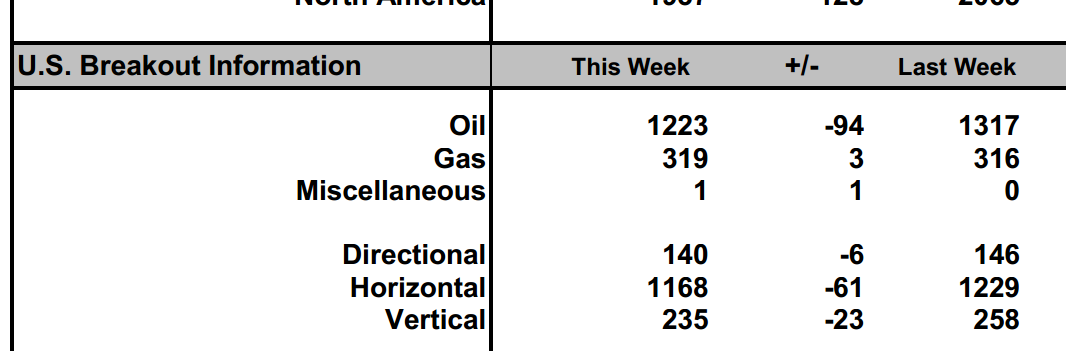
Gasoline prices are slowly rising which is correlating with oil rig production. Baker Hughes Inc. released data showing ninety four more oil rigs taken out of production.

oil rig production

RenewEconomy.com had this write up about the production of oil being shut off:

In just three months, the rig count has fallen by 24 per cent, or 389 from the all-time high of 1,609 recorded for the week of 10 October last year. As Mark Lewis, from Paris-based analysts Kepler Chevreux notes: “In all of the historical Baker Hughes data stretching back to July, 1987, there is no precedent for a drop of this speed or severity.”