Inflation Alert: Beef Prices Hit Record High

image

Via CNSNEWS.COM –

The average price of a pound of ground beef climbed to another record high in February, hitting $4.238 per pound, according to data released today by the Bureau of Labor Statistics (BLS).

In August 2014, the average price for a pound of all types of ground beef topped $4 for the first time, hitting $4.013, according to the BLS.

In September, the average price jumped to $4.096 per pound; in October, the average price climbed to $4.154 per pound; and in November, the average price climbed to $4.201 per pound.

In December, the price declined slightly to $4.156 per pound. In January 2015, ground beef hit $4.235 per pound and in February 2015, according to the latest data from the BLS, the price of ground beef hit the highest level ever recorded of $4.238.

A year ago, in February 2014, the average price for a pound of ground beef was $3.555 per pound. Since then, the average price has increased 19.2 percent in one year.

Five years ago, in February 2010, the average price of a pound of ground beef was $2.277, according to the BLS. The price has since climbed by $1.961 per pound, or an increase of 86.1 percent.

Read the rest here.

Report: Shortage of 90,000 Physicians by 2025

tireddoctor

In a report prepared for the Association of American Medical Colleges a grim outlook was given concerning physician supply in the United States. Here is what was found:

    Demand for physicians continues to grow faster than supply, leading to a projected shortfall of
    between 46,100 and 90,400 physicians by 2025

The report can be read here. Much of the shortage will be from stronger demand of people getting on Obamacare.

USDA: 97% of Farms Owned by Families

image
USDA came out with some new numbers on who owns farms in America:

About 2.1 million farms in the U.S., 97 percent are what the report calls “family farms,”according to the the USDA’s 2012 Census of Agriculture Farm Typology.

Other key facts included in the report stated that 88 percent of those 2.1 million farms are classified as “small family farms” — operations with a gross cash farm income (GCFI) of less than $350,000 per year. Those small family farms contribute nearly 60 percent of all direct sales of product from farms to consumers.

H/T Indiana Economic Digest

Percent of Illegal Immigrants Who Skip Deportation Hearings

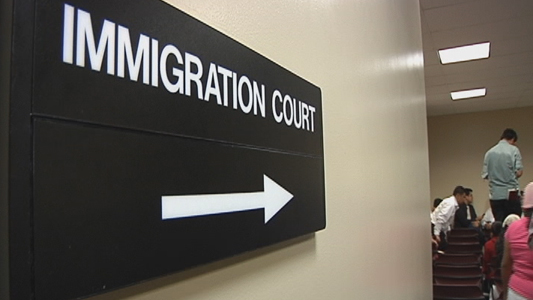
Immigration-Court

The federal government said the number of undocumented immigrants failing to appear at deportation hearings is on the rise.

According to the Executive Office of Immigration Review, the number of people who did not show after being released on bond or on their own recognizance grew by 153 percent in the last four years.

Immigration judges ordered deportations for those no-shows. About 30 to 40 percent of undocumented immigrants failed to appear at their hearings last year.

The statistics also show that judges grant asylum less than 50-percent of the time while immigrants from Central American countries get asylum an average of 2-percent of the time.

H/T KRGV.com

Top 2014 Restaurant Franchise Sales Statistics

restaurant-185x185
New sales stats have been released for the top 50 franchise restaurants of 2014. Good numbers to look at if you are thinking about investing in one. I’m only posting the top 25, so visit StatisticBrain.com for the rest of the list. (Statistics are total sales / average store sales)

McDonald’s $35,600,000,000 / $2,600,000
Subway $12,100,000,000 / $481,000
Starbucks $10,600,000,000 / $1,223,000
Wendy’s $8,600,000,000 / $1,483,800
Burger King $8,587,000,000 / $1,195,000
Taco Bell $7,478,000,000 / $1,363,000
Dunkin’ Donuts $6,264,200,000 / $857,400
Pizza Hut $5,666,000,000 / $883,000
Chick-Fil-A $4,621,100,000 / $3,157,900
KFC $4,459,000,000 / $957,000
Panera Bread $3,861,000,000 / $2,427,200
Sonic Drive-In $3,790,700,000 / $1,074,000
Domino’s Pizza $3,500,000,000 / $710,200
Jack in the Box $3,084,900,000 / $1,379,000
Arby’s $2,992,000,000 / $993,200
Chipotle Mexican Grill $2,731,200,000 / $2,113,000
Papa John’s $2,402,400,000 / $829,000
Dairy Queen $2,300,000,000 / $545,000
Popeyes Louisiana Kitchen $2,253,000,000 / $1,242,000
Hardee’s
$1,900,000,000 / $1,145,000
Panda Express $1,797,400,000 / $1,237,000
Little Caesars $1,684,000,000 / $465,000
Whataburger $1,476,800,000 / $1,996,000
Carl’s Jr. $1,400,000,000 / $1,470,000
Jimmy John’s $1,262,800,000 / $878,800

Ten Most Dangerous Jobs for Men

image

Medicaid Will Eat Up State Budgets in Near Future

image

Obamacare for all intensive purposes is a gateway to universal healthcare via medicaid. When the ACA passed in 2010 it set up a medicaid program where the feds matched dollar for dollar states medicaid expansion. Here is a detailed explanation from the Chicago Tribune of an example in Illinois where estimated costs have ballooned from $500 Million to $2 Billion:

    Starting in 2017, Illinois and other states that also expanded their programs are required to start paying a small portion of the bill, rising to no more than 10 percent of the total tab. State health officials estimated in 2012 that Illinois’ portion of the expansion would cost $573 million from 2017 through 2020.

    Original projections anticipated that 199,000 residents would sign up in 2014, potentially rising to no more than 342,000. State officials estimated a monthly, per person cost of $454, and revised that number upward to $882 in the document sent to in June to federal officials.

    But through December, 540,877 joined Medicaid’s ranks. State officials said thousands more likely signed up through January.

Nationally, medicaid has exploded via Obamacare (9.7 million new enrollees) which means long term federal costs for ALL taxpayers.

The Financial Costs of Hoosiers Overdosing on Heroin

heroin-addiction
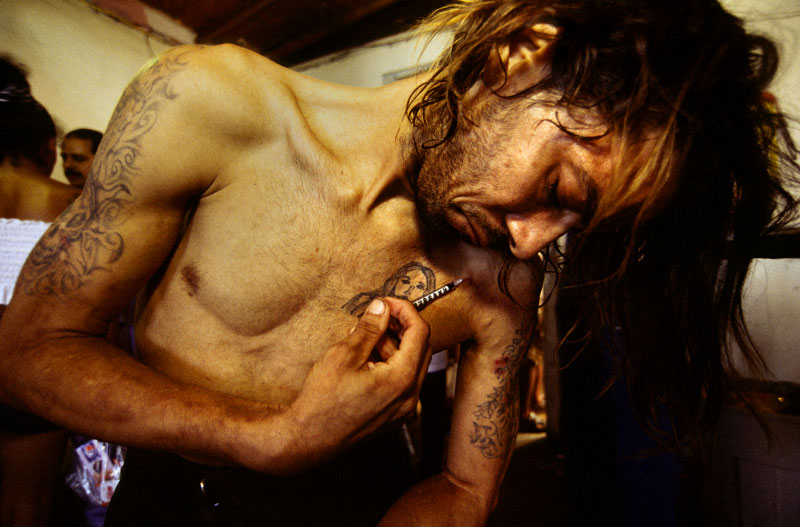
Heroin is clobbering the state of Indiana and it comes with an enormous financial cost. Law enforcement, imprisonment, children removed from homes and other costs are all there for many to dissect. The DEA recently put out an alert of a possible explanation of why people are overdosing on heroin.

    The United States Drug Enforcement Administration (DEA) today issued a nationwide alert about the dangers of fentanyl and fentanyl analogues/compounds. Fentanyl is commonly laced in heroin, causing significant problems across the country, particularly as heroin abuse has increased.

    In the last two years, DEA has seen a significant resurgence in fentanyl-related seizures. According to the National Forensic Laboratory Information System (NFLIS), state and local labs reported 3,344 fentanyl submissions in 2014, up from 942 in 2013. In addition, DEA has identified 15 other fentanyl-related compounds.

    Fentanyl is a Schedule II narcotic used as an analgesic and anesthetic. It is the most potent opioid available for use in medical treatment – 50 to 100 times more potent than morphine and 30 to 50 times more potent than heroin. Fentanyl is potentially lethal, even at very low levels. Ingestion of small doses as small as 0.25 mg can be fatal. Its euphoric effects are indistinguishable from morphine or heroin.


Costs associated with saving an overdosing addict are skyrocketing as well. More municipalities are wanting police to carry heroin antidotes since they are usually first to encounter a person overdosing. Foxnews.com had a post about the antidote naloxone.

    Naloxone reverses the effects of opioids – drugs derived from opium, including heroin – on brain receptors. But a price increase late last year means that instead of buying 400 naloxone kits for a little under $21,000 – at $51.50 per kit paid to a third-party distribution company – that’s now enough for only 200, at just under $100 per kit, a negotiated discount that’s $5 cheaper than what he was quoted.

Indiana Businesses Stuck With Unemployment Taxes

Indiana business owners get hammered with an aray of taxes that the public doesn’t take into consideration. One of them is unemployment taxes they have to pay. Indiana is still paying off the loan from federal government when the economy went south in 2008. Here is more from News-Sentinel.com:

    “We have a surplus? That’s because employers are eating it,” said Black, controller of Nowak Supply Co., 302 W. Superior St., which in the past two years has paid $10,000 in federal tax surcharges because Indiana still has not repaid all of the $2.4 billion it borrowed from the federal government in 2008 when the recession wiped out the state’s unemployment compensation fund. Nowak, which paid more than $14,000 in state and federal unemployment taxes last year, expects to pay another federal unemployment tax surcharge this year in excess of the $6,000 it paid last year — a penalty shared by other employers throughout the state.

    Then the recession hit and the account’s black ink turned into a raging river of red, which resulted in officials from Indiana and at lest 25 states to seek more than $47 billion in federal loans to keep unemployment benefits flowing. Indiana was supposed to have repaid its loan five years ago but still owes about $900 million, Frank said — debt that will be repaid in part by the penalties Nowak, Black and no doubt countless other business owners consider so unwise and unfair.


Unemployment taxes show that it makes businesses think about or actually hire less with its regressive taxation formula:

    After all, if a company’s penalty is determined by the number of employees, isn’t that just one more incentive to keep the labor force as small as possible?

NCAA & TV Ad Revenue from March Madness

march madness

The NCAA Basketball Tournament kicks off in a few days. As America tunes in to watch the games the NCAA will watch their bank coffers fill up. How much does the NCAA make each year during tournament time. According to Andrew Zimbalist, an economics professor at Smith College, hundreds of millions:

    “The institution itself that’s based in Indianapolis, makes money primarily through television rights to the March Madness basketball tournament. They get somewhere in the neighborhood of $770 million dollars a year. That constitutes around 90% of all of the revenue that goes to the NCAA,”


Television stations are more then willing to pay that type of money to the NCAA for rights to air the games. Here is their ad revenue from 2013:

    Over the past decade (2004-2013), the NCAA men’s basketball tournament has triggered more than $6.88 billion of national TV ad spending from 269 different marketers. Ad revenue in 2013 was $1.15 billion, up 3.8 percent from the prior year.