Medical Bills Pile Up on GoFundMe

Lately on social media I’ve seen a plethora of people touting “GoFundMe” accounts to raise money for one specific area, medical issues. I decided to look up numbers to see how often it’s used by people for this issue and the numbers are staggering:

According to data from GoFundMe, in 2011 there were about 8,000 campaigns on the site, generating a total of about $1.6 million dollars in donations. Compare that to 2014, where there were about 600,000 campaigns and close to $150 million dollars donated.

Credit WHOtv.com for the data.

Medicaid Will Eat Up State Budgets in Near Future

image

Obamacare for all intensive purposes is a gateway to universal healthcare via medicaid. When the ACA passed in 2010 it set up a medicaid program where the feds matched dollar for dollar states medicaid expansion. Here is a detailed explanation from the Chicago Tribune of an example in Illinois where estimated costs have ballooned from $500 Million to $2 Billion:

    Starting in 2017, Illinois and other states that also expanded their programs are required to start paying a small portion of the bill, rising to no more than 10 percent of the total tab. State health officials estimated in 2012 that Illinois’ portion of the expansion would cost $573 million from 2017 through 2020.

    Original projections anticipated that 199,000 residents would sign up in 2014, potentially rising to no more than 342,000. State officials estimated a monthly, per person cost of $454, and revised that number upward to $882 in the document sent to in June to federal officials.

    But through December, 540,877 joined Medicaid’s ranks. State officials said thousands more likely signed up through January.

Nationally, medicaid has exploded via Obamacare (9.7 million new enrollees) which means long term federal costs for ALL taxpayers.

The Financial Costs of Hoosiers Overdosing on Heroin

heroin-addiction
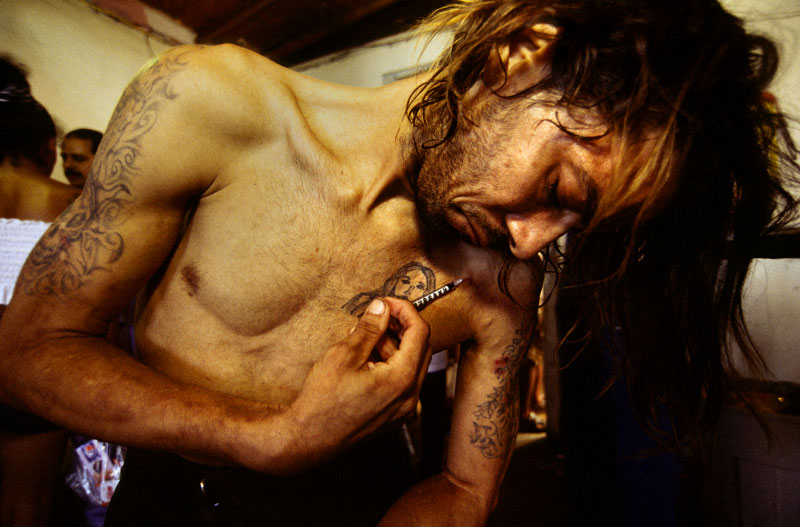
Heroin is clobbering the state of Indiana and it comes with an enormous financial cost. Law enforcement, imprisonment, children removed from homes and other costs are all there for many to dissect. The DEA recently put out an alert of a possible explanation of why people are overdosing on heroin.

    The United States Drug Enforcement Administration (DEA) today issued a nationwide alert about the dangers of fentanyl and fentanyl analogues/compounds. Fentanyl is commonly laced in heroin, causing significant problems across the country, particularly as heroin abuse has increased.

    In the last two years, DEA has seen a significant resurgence in fentanyl-related seizures. According to the National Forensic Laboratory Information System (NFLIS), state and local labs reported 3,344 fentanyl submissions in 2014, up from 942 in 2013. In addition, DEA has identified 15 other fentanyl-related compounds.

    Fentanyl is a Schedule II narcotic used as an analgesic and anesthetic. It is the most potent opioid available for use in medical treatment – 50 to 100 times more potent than morphine and 30 to 50 times more potent than heroin. Fentanyl is potentially lethal, even at very low levels. Ingestion of small doses as small as 0.25 mg can be fatal. Its euphoric effects are indistinguishable from morphine or heroin.


Costs associated with saving an overdosing addict are skyrocketing as well. More municipalities are wanting police to carry heroin antidotes since they are usually first to encounter a person overdosing. Foxnews.com had a post about the antidote naloxone.

    Naloxone reverses the effects of opioids – drugs derived from opium, including heroin – on brain receptors. But a price increase late last year means that instead of buying 400 naloxone kits for a little under $21,000 – at $51.50 per kit paid to a third-party distribution company – that’s now enough for only 200, at just under $100 per kit, a negotiated discount that’s $5 cheaper than what he was quoted.

Indiana Businesses Stuck With Unemployment Taxes

Indiana business owners get hammered with an aray of taxes that the public doesn’t take into consideration. One of them is unemployment taxes they have to pay. Indiana is still paying off the loan from federal government when the economy went south in 2008. Here is more from News-Sentinel.com:

    “We have a surplus? That’s because employers are eating it,” said Black, controller of Nowak Supply Co., 302 W. Superior St., which in the past two years has paid $10,000 in federal tax surcharges because Indiana still has not repaid all of the $2.4 billion it borrowed from the federal government in 2008 when the recession wiped out the state’s unemployment compensation fund. Nowak, which paid more than $14,000 in state and federal unemployment taxes last year, expects to pay another federal unemployment tax surcharge this year in excess of the $6,000 it paid last year — a penalty shared by other employers throughout the state.

    Then the recession hit and the account’s black ink turned into a raging river of red, which resulted in officials from Indiana and at lest 25 states to seek more than $47 billion in federal loans to keep unemployment benefits flowing. Indiana was supposed to have repaid its loan five years ago but still owes about $900 million, Frank said — debt that will be repaid in part by the penalties Nowak, Black and no doubt countless other business owners consider so unwise and unfair.


Unemployment taxes show that it makes businesses think about or actually hire less with its regressive taxation formula:

    After all, if a company’s penalty is determined by the number of employees, isn’t that just one more incentive to keep the labor force as small as possible?

Number of Indiana Children Receiving School Vouchers

school

Here is the most recent data by the state of Indiana showing children receiving school vouchers-

This school year, 29,148 students received vouchers, or 2.6 percent of the total state student population, according to the Choice Scholarship program’s annual report released in February. IDOE paid those private and Christian schools nearly $116 million in the 2014-15 school year.

Beer Sales Spike When Food Stamps Received

image

A study of food stamp recipients led to an interesting find for one group of college professors. Here is what they found:

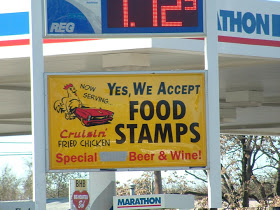
When monthly food-stamp distributions fall on a weekend, beer sales to that population jump – by up to 7%.

When food stamp funds are distributed on Saturday or Sunday, monthly sales of beer jump as much as 51 ounces more a month among those eligible for food stamps, the study found. That could be a lot of booze: Close to 23 million households receive Supplemental Nutrition Assistance Program (SNAP) benefits, widely known as food stamps, according to the latest government data.

Their research was very extensive and spanned several years.

This jump in beer-buying only appears for food-stamp-eligible households and not for the non-eligible households, according to the report titled “One More Saturday Night: Food Stamp Timing and Monthly Consumption Patterns.”

The authors analyzed data from Nielsen Homescan Consumer Panel Dataset, which includes purchasing information from between 40,000 and 60,000 households in the years from 2004 to 2011. Because the households each use a scanning device, the data includes detailed information about the exact products in the consumer basket including beer and tobacco. What it doesn’t include is what’s spent at bars and restaurants.

You can read the rest of Wall Street Journal article here.

How Americans Will Spend Their Tax Refund

tax refund

American Morning News interviewed Kay Bell from BankRate.com explaining a survey they with 1,003 adults and how they will spend their tax refund. USA Today posted the survey and here is how it broke down:

34% say they’ll use it to pay down debt

33% say they’ll save or invest the money

26% say they spend the extra cash on necessities such as food and utility bills

3% want to use it to live it up and go on vacation or a shopping spree

Here is another snapshot of Americans thinking on income taxes/tax refunds that would make Dave Ramsey shake his head at:

Some people view having extra money withheld from their paychecks for income tax as a way to save, says Bankrate.com tax analyst Kay Bell. But she advises against it because “the bank of Uncle Sam” pays no interest.

The rest of the article is here and has some more good stats obtained by the survey.

How Many Immigrants in Indiana are Here Illegally?

image

The Times Herald wrote up an article on Indiana’s immigrant population and found this piece of data:

The Indiana Business Research Center says a Latino population of 422,200 will double in the next two decades. The Pew Research Center estimates about 85,000 of the state’s Latino population may be here illegally.

Social Security Administration Has Lots of Old People on the Books

Via CNSNEWS.COM –

Many people are living longer, but not to age 112 or beyond — except in the records of the Social Security Administration.

The SSA’s inspector general has identified 6.5 million number-holders age 112 — or older — for whom no death date has been entered in the main electronic file, called Numident.

The audit, dated March 4, 2015, concluded that SSA lacks the controls necessary to annote death information on the records of number-holders who exceed “maximum reasonable life expectancies.”

“We obtained Numident data that identified approximately 6.5 million numberholders born before June 16, 1901 who did not have a date of death on their record,” the report states.

Some of the numbers assigned to long-dead people were used fraudulently to open bank accounts.

Read the rest here

Total Cost of Ferguson Riots

fergusonriots1

Costs of the Ferguson, Missouri riots still trickle in. The variance of it is still hard to track down due to costs outside the known figures government officials have tallied. The business and personal side still have to be studied. I have tracked down some articles dealing with both the August and December riots.

The Gateway Pundit reported in October the total August costs of the first riot to taxpayers was around $5.7 Million.

The massive police response to Ferguson in the wake of the shooting death of Michael Brown on Aug. 9 will take nearly $1.5M from the Missouri state budget.

According to the Missouri Department of Public Safety, the Missouri State Highway Patrol costs total $1.1M while activating the National Guard will cost the state roughly $384,000.

This estimate is solely for the initial response: from the time protests erupted right after Brown died to the last few weekdays of August.

St. Louis County officials estimated the county’s initial cost will be $4.2M. That’s a combination of money going to police overtime, fixing damaged cop cars and food and supplies for first responders.


Channel 4 KMOV/St. Louis reported part of the costs in the August riot was overtime paid to law enforcement and civilians which totaled $855,000.

The December Ferguson riots cost $20 Million according to Garry Earls, St. Louis CFO.

The grand total from both riots cost local/state government around $26 Million. Now the unknown costs will take time to calculate. Insurance companies at some point will release damage to business and what they paid out. Property Casuality 360 did give a sobering fact of when disaster happens and the amount of businesses that do not reopen:

Roughly 40-60% of small businesses never reopen their doors following a disaster.


Businesses in Ferguson face additional challenges. Property Casuality 360 pointed out those who do reopen face higher insurance costs which ulimately mean they get passed along to the consumer. Another obstacle is lack of business which KMOX CBS in St. Louis reported on in October. Quoting one business owner stating his sales were down 40%.

In the end, Ferguson will probably never get back to what it was before the riot.