Mark J. Perry of Carpe Diem Blog provides data showing the slow business death of newspaper revenue. Their digital revenue does not add much growth either.

Mark J. Perry of Carpe Diem Blog provides data showing the slow business death of newspaper revenue. Their digital revenue does not add much growth either.

Chipotle Mexcican Grill recently made headlines by going “GMO Free” on certain ingredients. I believe this announcement was more of a marketing ploy against the news in their recent financial statements. I’m not a big investor of restaurants in this day and age of the Federal Reserve printing money at a high rate and American beef in demand world wide. (Some investment advice, put your money not in the restaurant but with the beef farmer) Chipotle is hiking prices again on its customers. Within a one year time period prices on certain items will have increased 11-13%.
This write up came from TheStreet.com a week before their GMO announcement –
Chipotle stands to receive another jolt to the top line from another round of price increases. The company, which has historically been reluctant to lift prices, confirmed it will hike prices on steak and barbacoa in the third quarter by 4% to 6% in order to compensate for persistent beef inflation.
In the second quarter last year, Chipotle implemented an across-the-board menu price increase of about 7%, as it dealt with beef, dairy and avocado inflation. Same-restaurant sales growth accelerated soon after the menu price increases went into effect — after rising by 13.1% in the first quarter of last year, same-restaurant sales increased averaged 17.7% in the remaining three quarters.
Somewhat surprising article from UK Telegraph but good economic trend they investigated. Read whole article here but below is a snippet.
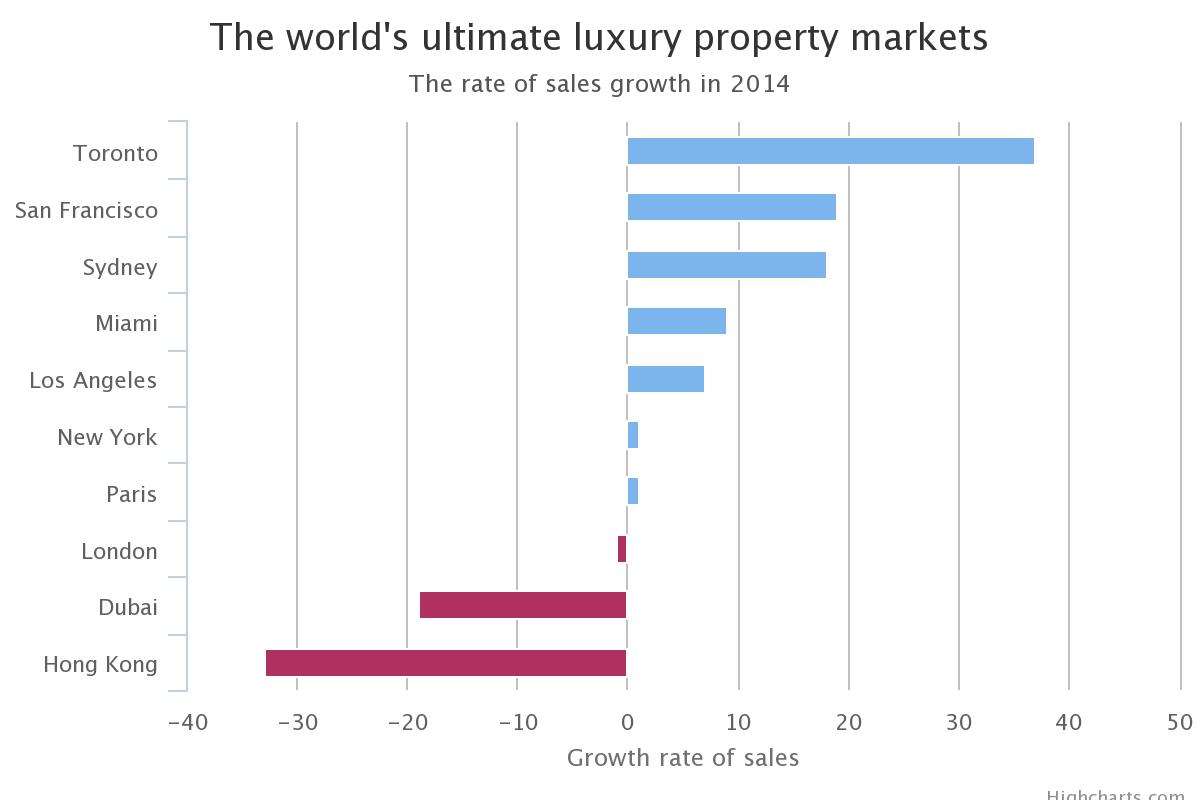
Toronto is towering above the rest of the world’s luxury property markets, as the only city to record an acceleration in the sales rate of high-end homes from 2013 to 2014.
The Canadian city, well known for its economic stability, experienced a 37pc increase in the sale of luxury penthouses, apartments and houses in the 12 months to the end of December, after just a 4pc rise in the previous year, outstripping San Francisco, Sydney and Miami, according to a report from Christie’s international real estate group.
The study, which ranks the top 10 urban centres by the growth in sales of exclusive properties, found that the rate also slowed in Los Angeles, New York and Paris, while transactions declined in London, Dubai and Hong Kong last year.

I was running some errands this morning and caught Glenn Beck on the radio. He was discussing some societal trends that related to economics and brought up the fact that 19 year old people are declining in getting their drivers license. Here is what he said:
Nineteen year old people getting driver licenses has declined to 65%. Down from 93% just ten years ago.
This is a big drop so I decided to look up this decline and found the Washington Post wrote about it in 2013. Here’s what they found:
Back in 1983, about 87 percent of 19-year-olds had drivers’ licenses. But in 2010, only 69.5 percent did.
They also cited reasons in a survey of why they didn’t obtain the license and here is the breakdown:
—37 percent said they were either too busy or didn’t have the time to get a license.
—32 percent said that owning and maintaining a vehicle was just too expensive.
—31 percent said they could hitch a ride with someone else if needed.
—22 percent said they’d rather walk or bike.
—17 percent said they’d rather use public transportation.
—9 percent said they were worried about driving’s effects on the environment.
—8 percent said they could work or communicate online.
—7 percent cited disability or medical problems as their main reason.

American law enforcement face a daunting task of regaining control of neighborhoods in cities once a riot breaks out. Police for decades have been educated and trained for these types of situations. Technology has developed to help the officers but it comes with a cost.
Friend of mine who is in law enforcement and has years of experience training for these scenarios gave out some information in the cost of some of the riot gear police use. Here is the breakdown of a few of the devices used by law enforcement:
One Hand Deployed Distraction Device, AKA “Flash Bang” – $50.00
One Flameless Chemical Tri Chamber, AKA “CS/CN Canister” – $50.00
One 12 Gauge Drag Stabilized Bean Bag Lethal Impact Round – $8.00
WorldOil.com is showing interesting investment returns on state pension funds invested in oil. The study was done by Sonecon.
On average, $1 invested in oil and natural gas stocks in 2005 was worth $2.30 in 2013. By contrast, $1 invested in all other assets over the same period was worth $1.68.
While oil and natural gas stocks make up, on average, 4% of holdings in the top public pension funds, they accounted for, on average, 8% of the returns in these funds from 2005 to 2013, according to the Sonecon study.
The report examines the top two public pension funds in 17 states, which collectively cover more than half (55%) of all workers in the U.S. who participate in state and local government pension plans.
States analyzed in the report are: California, Florida, Illinois, Indiana, Iowa, Michigan, Minnesota, Missouri, Nebraska, New Hampshire, New Mexico, New York, North Dakota, Ohio, Pennsylvania, South Carolina, and West Virginia.
H/T Glenn Reynolds of PJ Media
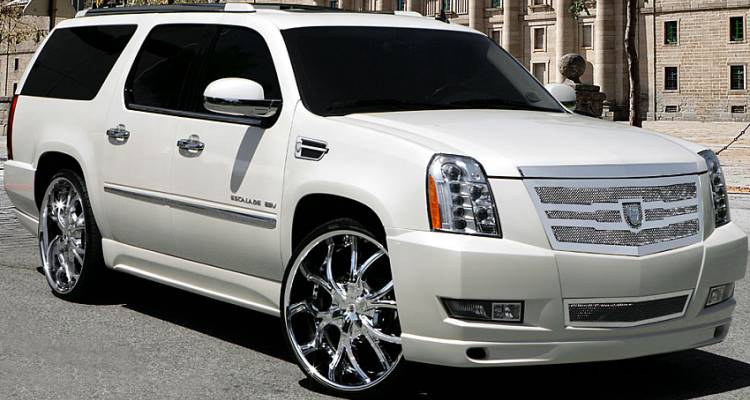
Hybrid car owners are not feeling the love of the environment anymore and showing it with their purchasing power. I remember the hysteria a decade ago if you didn’t buy a hybrid then you didn’t love Mother Earth. JustFactsDaily.com had this question up on their website for viewers to answer:
Once you answered, they provided documentation to research done by Edmunds.com:
According to Edmunds.com, about 22 percent of people who have traded in their hybrids and EVs in 2015 bought a new SUV. The number represents a sharp increase from 18.8 percent last year, and it is nearly double the rate of 11.9 percent just three years ago. Overall, only 45 percent of this year’s hybrid and EV trade-ins have gone toward the purchase of another alternative fuel vehicle, down from just over 60 percent in 2012. Never before have loyalty rates for alt-fuel vehicles fallen below 50 percent.
Edmunds also provides analysis of how long it takes financially to justify paying the price of hybrid vehicles with gas price savings:

Via Indiana Economic Digest –
Elliott Farm sells at $16,200 per acre
Elliott Farm, located near Poseyville, recently sold its 69 acres at auction for $16,200 per acre, or $1,117,800 in total.The farm had been held by the Elliott Family since the early 1940s and was purchased by a local farmer who was represented by proxy. According to auctioneer Andrew Wilson, the price per acre is a record for this area
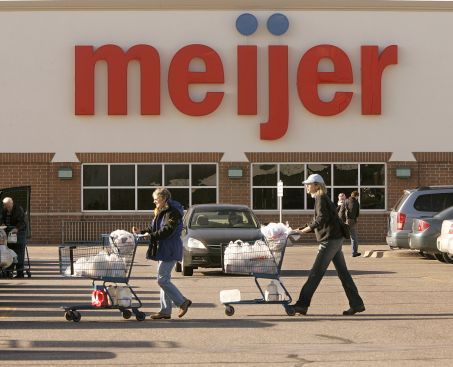
Story concerning a property tax case that could affect the whole state businesses property taxes slipped through without much notice. An Indianapolis Meijer’s store filed suit against Marion County Indiana over how it’s store was assessed for property taxes. Counties could stand to lose financially if the ruling stands.
Here is more from mLIVE.com –
The Indiana Board of Tax Review ruled last month that the Michigan-based retailer’s store in Indianapolis should have been assessed in 2012 at the equivalent of $30 per square foot, instead of nearly three times the rate as Meijer was charged.
The decision could leave Marion County on the hook for a $2.4 million refund to Meijer and could set the stage for other retailers to make similar challenges to their tax assessments.
The value of retail real estate is based on the current condition of the business, but the case raises questions about what effect, if any, the sales that occur there should have on the value. Big-box chains are pushing to have their buildings compared to others that have been vacated and sold, an approach known as the “dark store theory.”
If the tax board’s ruling stands, Meijer will save more than $400,000 a year on its tax bill.

