Mental Disorders Rising for Social Security Disability

This blog has chronicled how lawyers get rich taking in Social Security Disability claims.

Now CNSNews has come out with some new SS disability data that raises some doubt if this program has any control:

One in three, or 35.2 percent, of people getting federal disability insurance benefits have been diagnosed with a mental disorder, according to the latest data from the Social Security Administration (SSA).

Washington, D.C., the seat of the federal government, ranked in the top-ten list of states where disabled beneficiaries were diagnosed with mental problems.

In 2013, the latest data from SSA show there were 10,228,364 disabled beneficiaries, up 139,625 from 2012 when there were 10,088,739 disabled beneficiaries.

Disabled beneficiaries have increased 49.7 percent from a decade ago in 2003 when there were 6,830,714 beneficiaries; and the number is up 14.3 percent from the 8,945,376 beneficiaries in 2009, the year President Obama took office.


ss2

Here is another chart showing how big the disability fund has grown in the last ten years.
ss1

Indiana Pacers Worth Hundreds of Millions

pacers
Forbes magazine is stating that the Indiana Pacers has spiked in value over the last year and is now edging up to the “Billion Dollar” mark. Here is more in their report:

The value of the Indiana Pacers franchise skyrocketed by $355 million just since last year to $830 million, according to Forbes magazine. The Pacers rank 21st among the NBA’s 30 teams. The Los Angeles Lakers were first at $2.6 billion. In the magazine’s annual report on franchise values, posted Wednesday, reporter Kurt Badenhausen attributed the huge growth of the NBA to “a massive new $24 billion television contract, a nearly six-year bull market in equities creating tremendous wealth, and cheap credit.”

The Pacers new financial numbers are perplexing considering the deal they struck last year with the city of Indianapolis using taxpayer money to subsidize their operations.

The Pacers’ value also increased 74 percent and could renew questions about the Capital Improvement Board’s decision, less than a year ago, to use $160 million in tax money to cover operating costs and upgrades at Bankers Life Fieldhouse. The Pacers keep revenue from all fieldhouse events — basketball and non-basketball alike.

The CIB who negogiated the deal gets money from taxpayers:

The CIB gets its revenue primarily from hotel, food and beverage, and admissions taxes. The agency also collects money from rental fees, parking garage income, car rental taxes, cigarette taxes and Downtown income and sales taxes.

While most of the CIB’s revenue comes from Marion County, six neighboring counties — Boone, Hamilton, Hancock, Hendricks, Johnson and Shelby — also pitch in through a 1 percent food and beverage tax.

H/T Indianapolis Star

Community Colleges Produce Poor Results

image

In the President’s State of the Union tonight he will unleash another signature plan of throwing money at something. This one is “Free Education” at two year community colleges. That will be a terrible idea and Cato Institute explains why:

Take completion rates. According to the federal Digest of Education Statistics, only 19.5 percent of first-time, full-time students at two-year public schools finish their programs within 150 percent of the time they are slated to take. So less than 20 percent finish a two-year degree within three years, or, say, a 10-month certificate program within 15 months. And that rate has fallen even since 2000, when 23.6 percent of students completed.

That statistic doesn’t change much when you account for student transfers. According to the National Student Clearinghouse Research Center, only 20 percent of community college students transfer to four-year institutions. Four years later, 72 percent of those have completed their degree or remain enrolled. That inches the success rate to roughly 34 percent.

For profit two year programs come with a steeper cost, but more people flock to them then community colleges.

Given the wide price difference, you would expect for-profit schools to be getting their lunch eaten by already dirt-cheap community colleges. They haven’t been. Between 1990 and 2010, for-profit colleges saw much faster enrollment growth than community colleges; 179 percent compared to 44 percent. Why?

There are many reasons, but one seems to be that for-profits are more responsive to students’ needs and desires than community colleges. They appear to offer more flexible scheduling, better focused training and superior student services. They can charge more in part because they provide a better service.


Cato’s write up is in depth and also tackles “the fraud” issue as well. Take a look at the rest of it here.

Food Stamps Usage Increasing

Food stamp usage is on the rise again in America. Rough estimate of what the federal government spends is around $77 Billion a year. What makes this news worthy is it conflicts with the notion that the economy is in great shape. Another problem is the program is very lax on rules and has become a new “social justice” program.

Here is more from CNSNews.com

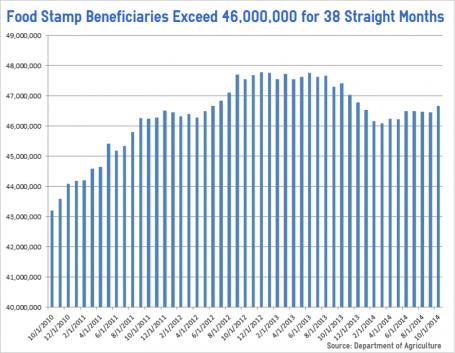
The number of beneficiaries on the Supplemental Nutrition Assistance Program (SNAP)—AKA food stamps–has topped 46,000,000 for 38th straight months, according to data released by the Department of Agriculture (USDA).

In October 2014, the latest month reported, there were 46,674,364 Americans on food stamps. Food stamp recipients have exceeded 46 million since September 2011.

image

If you don’t believe this program isn’t somewhat over used, let this stat sink in:

In 1969, the average participation in the SNAP program stood at 2,878,000. In 2014, average participation grew to 46,536,000 showing an increase of 1516.96 percent.

Indiana Governor Pence Submits 2016 – 2017 Budget

Indiana Governor Mike Pence submitted his budget proposal to the House and Senate for approval. The two bodies will debate the bill and then vote on a final budget at a later date.

I went over to the PDF file the state put out on overall spending areas of the budget. The one big glaring issue is the amount of federal funding the state receives for whatever programs are tied with that. Many people will argue that it captures the money Hoosiers pay in federal taxes and brings it back in the state. In that case, the money shouldn’t leave peoples paychecks at and just have it working economically in the first place.

Here are some budget numbers I found in the proposal. The proposal is for fiscal years 2016/2017:

Both years will cost Hoosier’s around $62 Billion

Education will eat up about 33% of the budget with spending projected at $22.5 Billion

Welfare (Food Stamps, Welfare, Medicaid, etc.) is projected at $28 Billion. $19 Billion of that is sent to Indiana by the Federal government. Start grasping we spend more on welfare then education.

Public Safety spending for the budget cycle is $3 Billion. I know Indiana prisons got more money but expect that to go up throughout the years. Criminals now have to serve 75% of the sentences.

The Governor’s office projected federal funds contributing to the budget for a total of $24.9 Billion.

Indiana City Pays Off Bills and Becomes Debt Free

One city in Indiana is announcing it has no debt. Mishawaka, IN is now claiming it has paid off all its loans and is completely debt free.

Mayor Dave Wood announced today that The City of Mishawaka is debt free! For the first time in over 100 years, Mishawaka begins 2015 with no general obligation bond debt after making final bond payments in late December. The City’s latest bonds, originally issued between 2005-2007 for $12.3 million to finance various projects such as the City’s radio communication system and major park improvements were paid off several years early.

Back in 2012, Mayor Wood announced one of the major initiatives of his administration was the ambitious goal of paying off debt early to becoming debt free as a means of helping to insulate the city against unforeseen circumstances such as economic downturns, emergencies, and state funding source changes. Mayor Wood stated: “The City’s debt free status is not only rare, but it’s an obvious indicator of our ongoing, strong commitment to fiscal responsibility. This was only possible based on our ability to work together as a team. Clearly, this wouldn’t have been possible without the work of our Department Heads and the Common Council.”

You can read the rest here.

United States YTD Interest on Debt Payments

Via @USGovtInterest Twitter page:

Month of December Interest on Debt payment $86,460,237,565.98

Fiscal YTD payments $118,589,429,039.05

President Obama’s Coming Budget Showdown

image

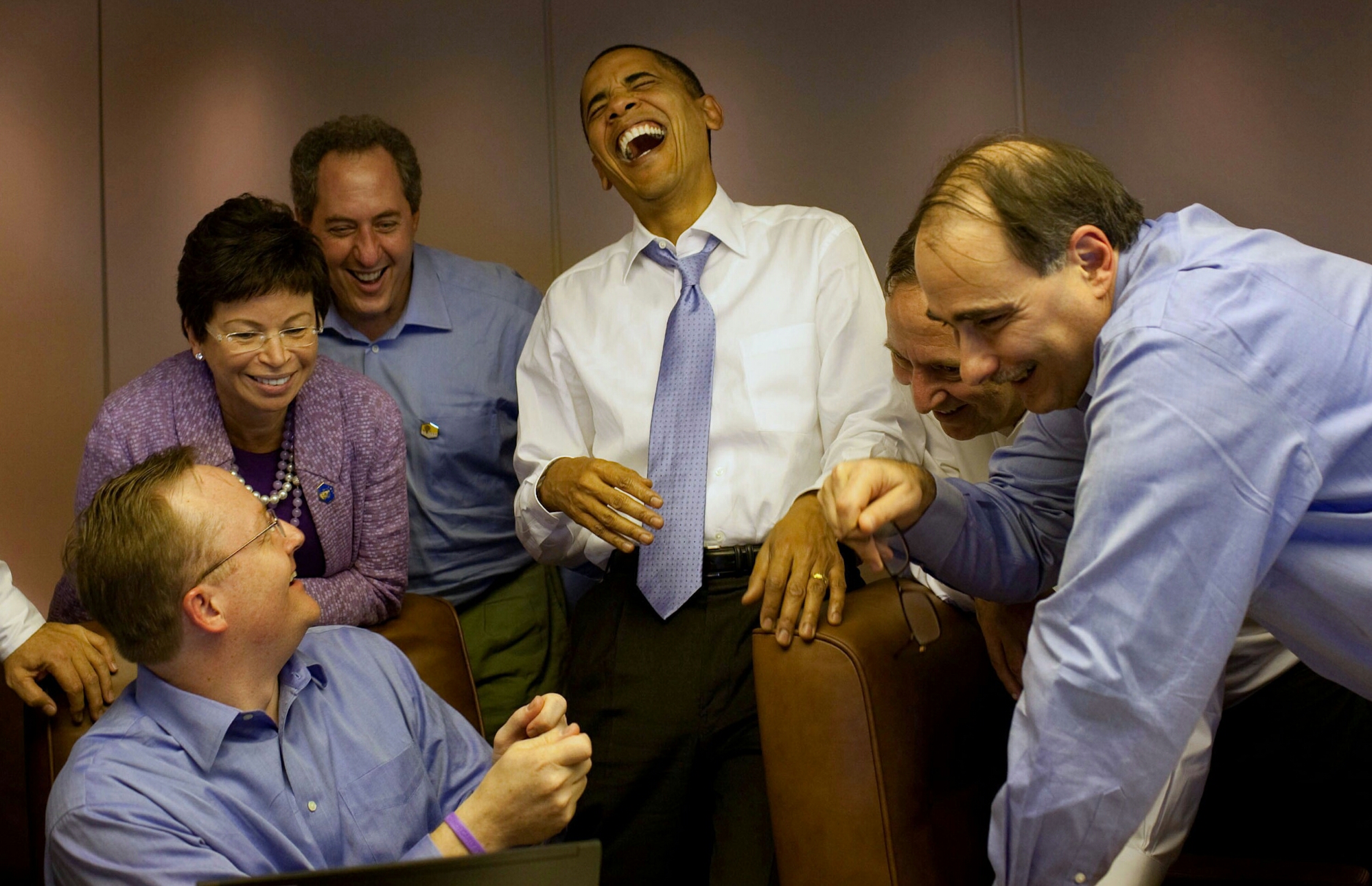
With President Obama having a disastrous 4 years of losing Democrats in the House and Senate, he will now have to face his opponents in the federal budget ring. The media and his supporters have given him a pass on not getting a budget implemented in the last six years. This year will be different with the House/Senate being revamped with budget conscious members.

Rebecca Shabad at TheHill.com has an excellent timeline of what the President faces in the next coming months regarding the 2016 budget. I suggest taking a look at the article for the detailed write up after each date listed.

February 2: Obama’s budget deadline

February 27: DHS funding runs out

March 15: Debt limit suspension expires

April 1: GOP budget resolution?

September 30: Shutdown deadline

October 1: Fiscal 2016 begins

New Ponzi Scheme: Invest in Government

image
Government wants you to invest in them. President Obama talked of a new investment fund in the past and now, without consent of Congress, has started it up through the Treasury Department. Here is more from the Wall Street Journal:

A form of Roth Individual Retirement Account that allows people to save after-tax dollars and watch them grow tax-free until retirement, the new myRA offers a single investment option. It’s a private version of the G Fund that is available to federal workers and has lately been delivering annual returns of about 2% on its portfolio of Treasury securities.

Government is guaranteeing no fees to the investor. That is political code for the taxpayer will subsidize it.

Treasury is funding the program out of the budget for its Bureau of the Fiscal Service. The assertion here is that existing law allows this part of the Treasury to hire financial agents as part of its mission to efficiently finance the federal government.
Taxpayers are covering the costs, though their elected representatives in Congress never voted to create the program. So far Treasury also hasn’t told us the fees it is paying Comerica.

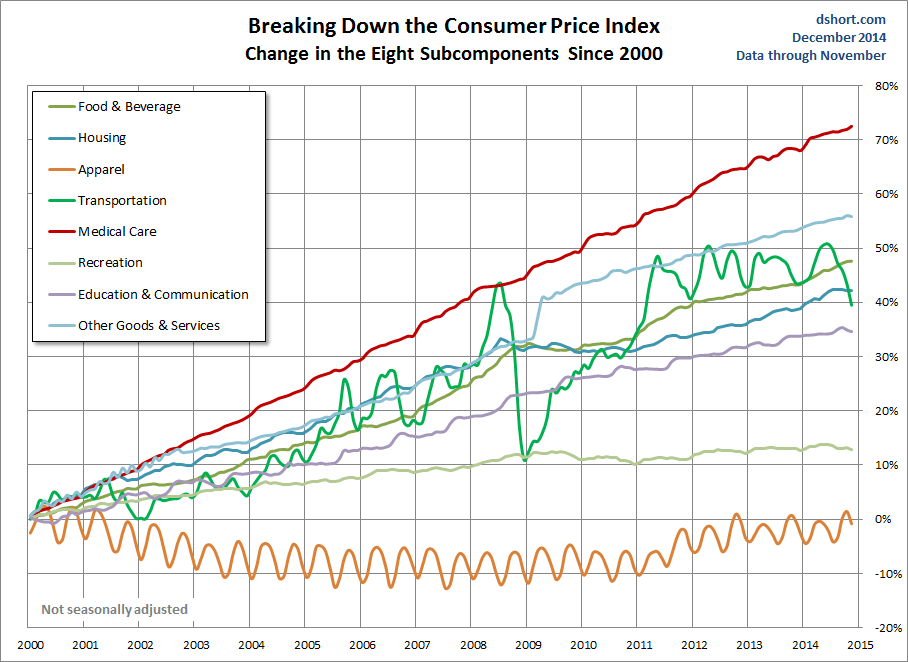
Inflation Graph: Massive Price Increases Last 14 Years

image

As the Federal Reserve started printing money here is a listing showing how prices took off.

H/T: Economic Policy Journal